

St. Joseph’s University, Bengaluru; Inauguration Ceremony of the M.Sc. Cybersecurity and Artificial Intelligence Programme School of Information Technology

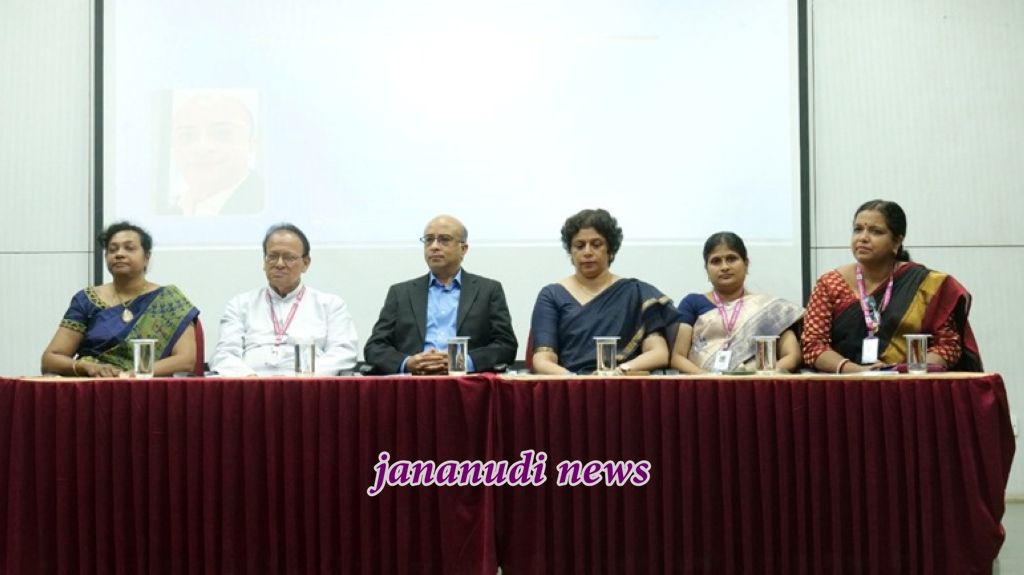
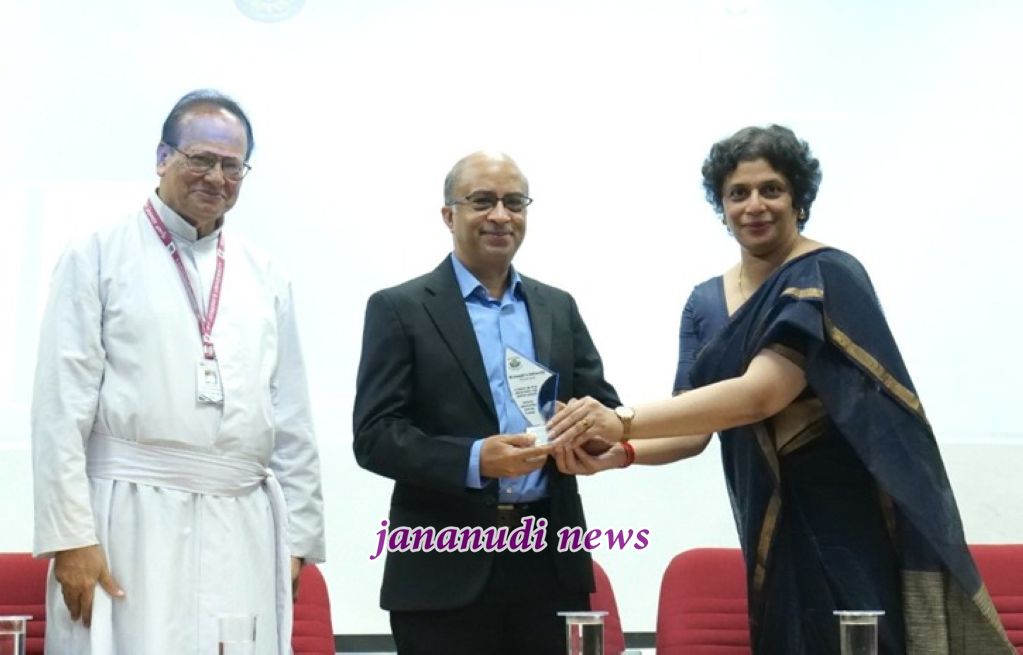
ಬೆಂಗಳೂರು, ಜುಲೈ 18: ಸೇಂಟ್ ಜೋಸೆಫ್ ವಿಶ್ವವಿದ್ಯಾಲಯದ ಮಾಹಿತಿ ತಂತ್ರಜ್ಞಾನ ಶಾಲೆಯ ಕಂಪ್ಯೂಟರ್ ವಿಜ್ಞಾನ ವಿಭಾಗವು ಹೊಸ ಎಂ.ಎಸ್ಸಿ. ಸೈಬರ್ ಭದ್ರತೆ ಮತ್ತು ಕೃತಕ ಬುದ್ಧಿಮತ್ತೆ (Cybersecurity and Artificial Intelligence) ಸ್ನಾತಕೋತ್ತರ ಕೋರ್ಸ್ಗೆ ಶನಿವಾರ ಚಾಲನೆ ನೀಡಿತು. ವಿಶ್ವವಿದ್ಯಾಲಯದ ಪಿಜಿ ಬ್ಲಾಕ್ನ ಕ್ಸೇವಿಯರ್ ಸಭಾಂಗಣದಲ್ಲಿ ನಡೆದ ಉದ್ಘಾಟನಾ ಸಮಾರಂಭದಲ್ಲಿ ಹೆವ್ಲೆಟ್ ಪ್ಯಾಕರ್ಡ್ ಎಂಟರ್ಪ್ರೈಸ್ (HPE) ಸಂಸ್ಥೆಯ ಭಾರತ, ಏಷ್ಯಾ-ಪೆಸಿಫಿಕ್ ಮತ್ತು ಜಪಾನ್ ವಿಭಾಗದ ಉಪಾಧ್ಯಕ್ಷ ಹಾಗೂ ಪ್ರಾದೇಶಿಕ ಮಾನವ ಸಂಪನ್ಮೂಲ ಮುಖ್ಯಸ್ಥ ಸೈಲೇಶ್ ಎ. ಜೆ. ಮಿನೆಜಸ್ ಮುಖ್ಯ ಅತಿಥಿಯಾಗಿ ಭಾಗವಹಿಸಿದ್ದರು.
ಕಾರ್ಯಕ್ರಮದಲ್ಲಿ ಮಾಹಿತಿ ತಂತ್ರಜ್ಞಾನ ಶಾಲೆಯ ನಿರ್ದೇಶಕರಾದ ಫಾ. ಡೆನ್ಜಿಲ್ ಲೋಬೊ ಎಸ್.ಜೆ. ಮಾತನಾಡಿ, ಕೃತಕ ಬುದ್ಧಿಮತ್ತೆ (AI) ಸಮಾಜದಲ್ಲಿ ಮಹತ್ತರ ಬದಲಾವಣೆಗಳನ್ನು ತರಬಲ್ಲ ತಂತ್ರಜ್ಞಾನವಾಗಿದ್ದು, ಅದನ್ನು ನೈತಿಕತೆ, ಪಾರದರ್ಶಕತೆ ಮತ್ತು ಜವಾಬ್ದಾರಿಯೊಂದಿಗೆ ಬಳಸಬೇಕಾದ ಅಗತ್ಯವನ್ನು ಒತ್ತಿಹೇಳಿದರು. ಕುತೂಹಲ, ನಿರಂತರ ಪ್ರಯೋಗ ಮತ್ತು ನೈತಿಕತೆ ಯಶಸ್ಸಿನ ಮೂರು ಪ್ರಮುಖ ಆಧಾರಗಳೆಂದು ವಿದ್ಯಾರ್ಥಿಗಳಿಗೆ ಕರೆ ನೀಡಿದರು.
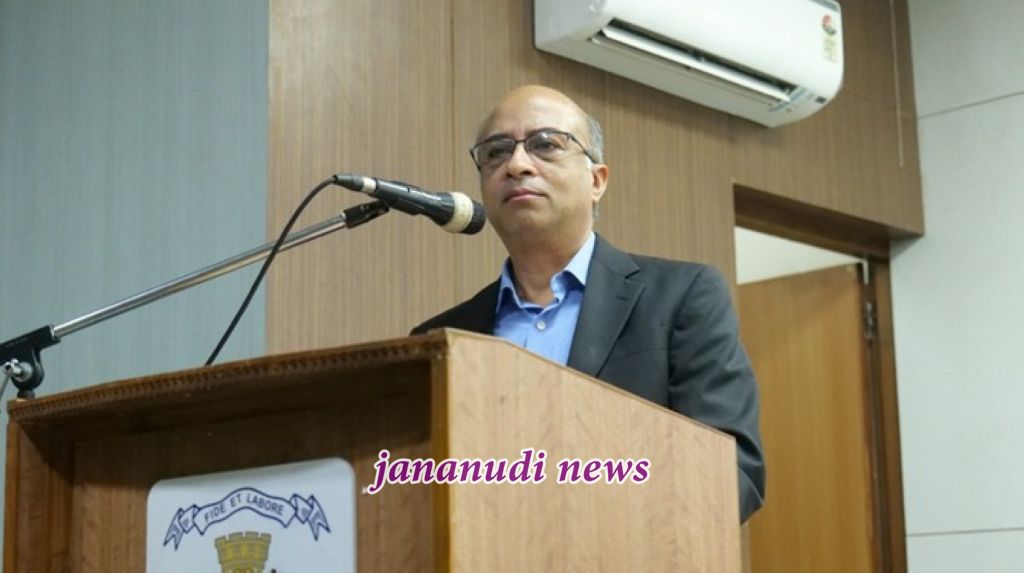
ಮುಖ್ಯ ಅತಿಥಿ ಸೈಲೇಶ್ ಮಿನೆಜಸ್ ಅವರು ಮಾತನಾಡಿ, ಕೃತಕ ಬುದ್ಧಿಮತ್ತೆ ಸಮಾಜದ ಅಭಿವೃದ್ಧಿಗೆ ಮಹತ್ವದ ಸಾಧನವಾಗಿದ್ದು, ತಂತ್ರಜ್ಞಾನವನ್ನು ವ್ಯವಹಾರಿಕ ಫಲಿತಾಂಶಗಳಿಗೆ ಪರಿವರ್ತಿಸುವ ಸಾಮರ್ಥ್ಯ, ಕಲಿಯುವ ಮನೋಭಾವ, ಕುತೂಹಲ ಮತ್ತು ಬದಲಾವಣೆಗಳಿಗೆ ಹೊಂದಿಕೊಳ್ಳುವ ಗುಣಗಳು ಇಂದಿನ ಯುವಜನತೆಗೆ ಅತ್ಯಗತ್ಯವೆಂದು ಹೇಳಿದರು.
ಸಮಾರಂಭದಲ್ಲಿ ಮಾಹಿತಿ ತಂತ್ರಜ್ಞಾನ ಶಾಲೆಯ ಡೀನ್ ಡಾ. ಎ. ಎಂ. ಬೋಜಮ್ಮ, ಕಂಪ್ಯೂಟರ್ ವಿಜ್ಞಾನ ವಿಭಾಗದ ಮುಖ್ಯಸ್ಥೆ ಡಾ. ಬಿ. ಜಿ. ಪ್ರಸಾಂತಿ, ಪಿಜಿ ಸಂಯೋಜಕಿ ಡಾ. ನಿತ್ಯಾ, ಕಾರ್ಯಕ್ರಮ ಸಂಯೋಜಕಿ ಡಾ. ಮೃಣ್ಮಯೀ ಭಟ್ಟಾಚಾರ್ಯ ಹಾಗೂ ಪ್ರಥಮ ಬ್ಯಾಚ್ನ ವಿದ್ಯಾರ್ಥಿಗಳು ಉಪಸ್ಥಿತರಿದ್ದರು. ಕಾರ್ಯಕ್ರಮವು ಪ್ರಾರ್ಥನಾ ಗೀತೆ ಮತ್ತು ದೀಪ ಪ್ರಜ್ವಲನೆಯೊಂದಿಗೆ ಆರಂಭಗೊಂಡು, ವಂದನಾರ್ಪಣೆಯೊಂದಿಗೆ ಸಮಾಪ್ತಿಯಾಯಿತು.
St. Joseph’s University, Bengaluru; Inauguration Ceremony of the M.Sc. Cybersecurity and Artificial Intelligence Programme School of Information Technology
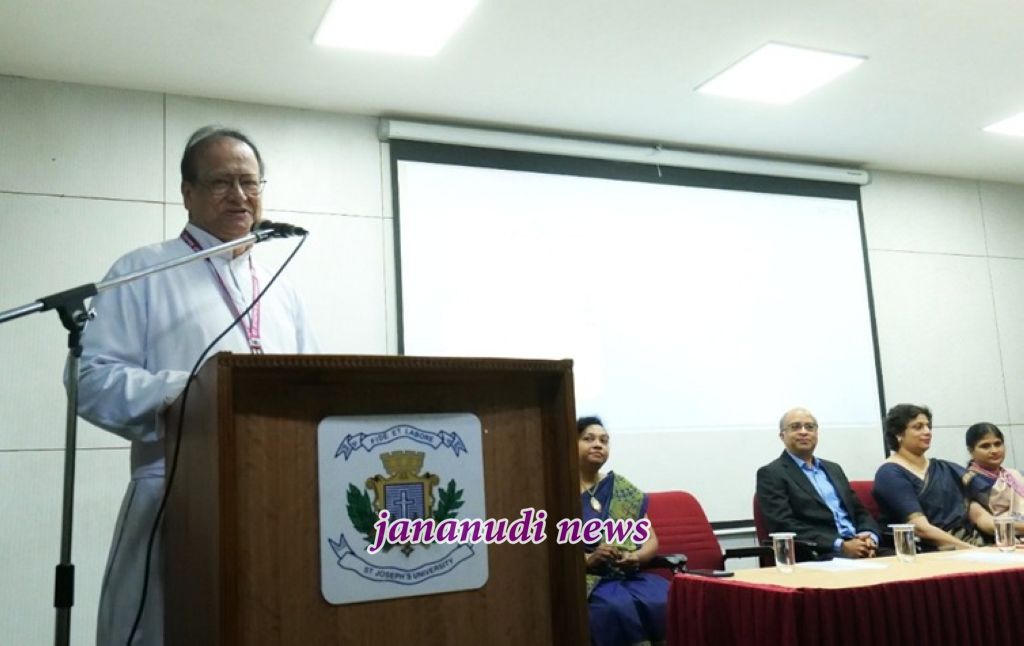
Bengaluru; In keeping with the current relevance of Artificial Intelligence and Cyber Security, the Department of Computer Science, St Joseph’s University, has launched a new postgraduate programme — Master of Science in Cyber Security and Artificial Intelligence (M.Sc. CS & AI).
The chief guest of the Inauguration Programme was Mr. Sailesh A. J. Menezes. He is a Human Resource and Talent Management professional with senior HR leadership experience at IBM, Wipro Technologies, and Hewlett Packard Enterprise (HPE), and currently serves as Vice President and Regional HR Leader – India, Asia Pacific and Japan at Hewlett Packard Enterprise. He is also a Josephite alumnus, having completed his schooling, PUC, and degree at Joseph institutions.
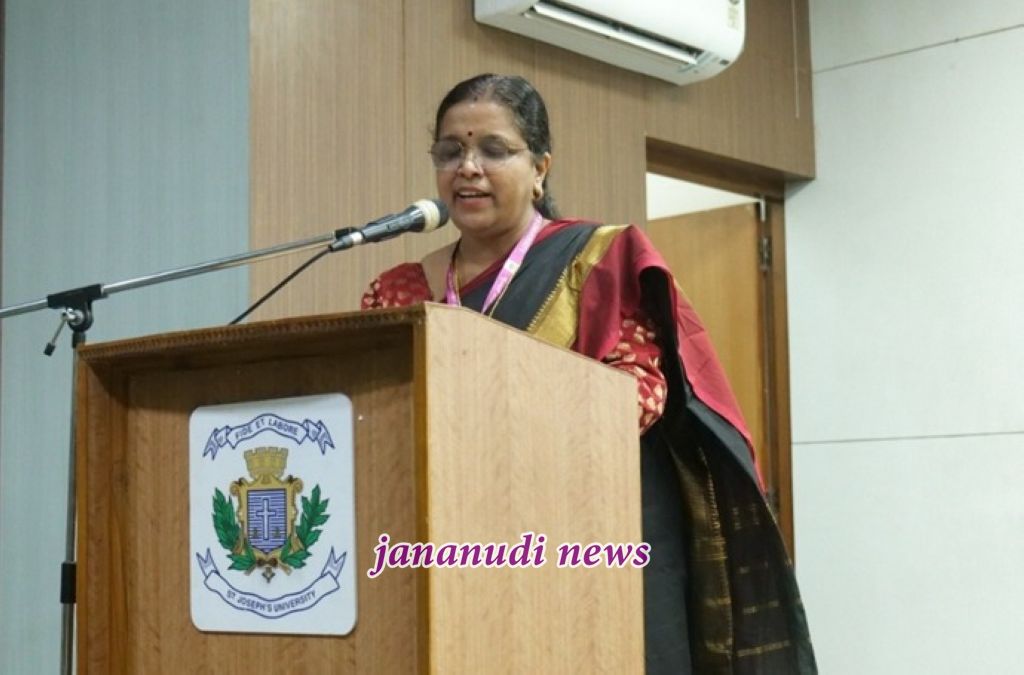
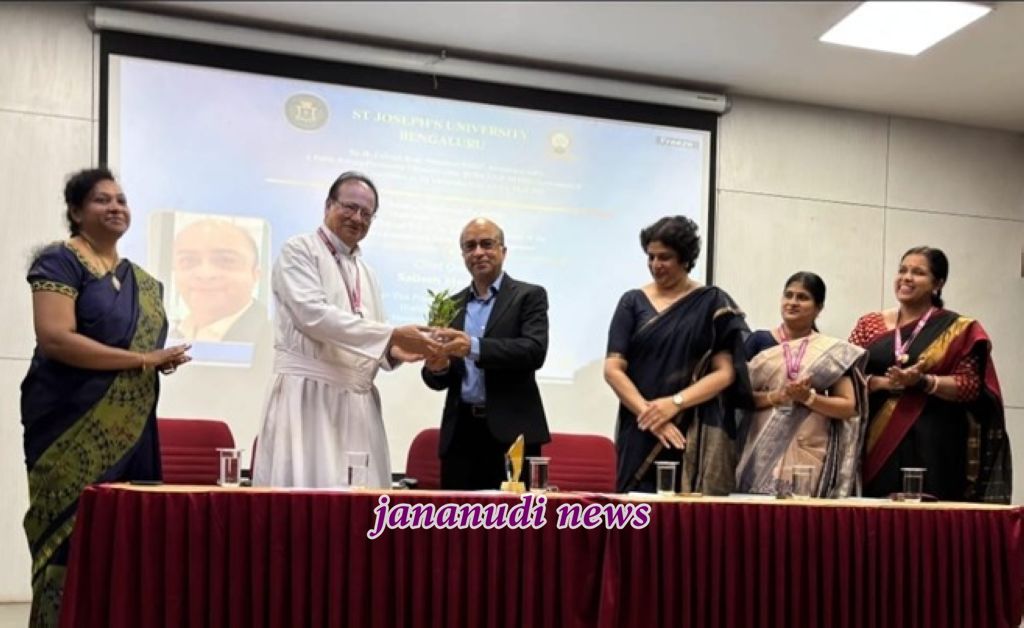
The ceremony began with students Mr. Joachim and Ms. Nisha’s rendition of a worship song followed by the auspicious lighting of the lamp by the dignitaries on the dais — Mr. Sailesh Menezes, the chief guest; Fr. Denzil Lobo SJ, Director, School of IT; Dr. AM Bojamma, Dean, School of IT; Dr. BG Prasanthi, Associate-Dean and Head of Department, Dept. of CS; Dr. Nithya, PG Coordinator; Dr. Mrinmoyee Bhattacharya, Programme Coordinator, M.Sc. CS & AI; and two students from the inaugural batch.
Next, the audience listened to the thought-provoking words of Fr. Denzil, who spoke about AGI (Artificial General Intelligence) and ASI (Artificial Superintelligence) He noted that the emergence of AI can be seen as an exponential change with potential for both positive and negative impact, drawing on the comments of Sam Altman, Reid Hoffman, and other intellectuals in the field. He emphasized the need to look into where and how AI will bring about change in society. Quoting Hoffman, Fr. Denzil pointed out that AI cannot be seen as just another tool or piece of software, but rather as a strategic new way of running things — while AI provides information and predicts, it is humans who ought to make decisions. Fr. Denzil also observed that data has become the new oil, and there is a need to prioritize transparency and security of data. He offered three keys to success and innovation: 1. Be curious. 2. Build things — experiment, fail, improve, and repeat. 3. Be ethical — the important question is not can we build something, but should we build it.
Mr. Sailesh Menezes offered his view that AI is more a force for good, though it can also be misused by humans to cause harm. He suggested that for AI to be a force for good and solve society’s problems, we must enable and allow it to do so. Reflecting on the uncertainty of the future, he noted that we don’t really know what the coming years will look like, given how rapidly times are changing — but offered valuable points on staying relevant. He emphasized that we need to be “translators” — translating technology into business outcomes is something organizations find valuable. He also noted that learnability, curiosity, and the ability to adapt are facets that will help us stay relevant as times change. Following the two talks, Ms. Saija Rao, 2nd year M. Sc. Computer Science, shared her experience at SJU. She spoke about the vibrant nature of associations and Bembala outreach, which enable students to engage with the lived realities of people outside urban contexts.