


Psychology: Understanding the mind, behavior and a better life-Article; Natasha Pais, Kundapur.
ಲೇಖನ; ನತಾಶಾ ಪಾಯ್ಸ್, ಕುಂದಾಪುರ,

ಇವರು ಕ್ಲಿನಿಕಲ್ ಸೈಕಾಲಜಿಯಲ್ಲಿ ಎಂಎಸ್ಸಿ ಪದವಿ ಪಡೆದಿದ್ದಾರೆ ಮತ್ತು ಮಂಗಳೂರಿನ (Child Development Centre) ಮಕ್ಕಳ ಅಭಿವೃದ್ಧಿ ಕೇಂದ್ರದಲ್ಲಿ ಮನಶ್ಶಾಸ್ತ್ರಜ್ಞ ಮತ್ತು ಮಕ್ಕಳ ವರ್ತನೆಯ ಚಿಕಿತ್ಸಕರಾಗಿ ಸೇವೆ ಸಲ್ಲಿಸುತ್ತಿದ್ದಾರೆ.
ಮನೋವಿಜ್ಞಾನವು ಮನಸ್ಸು ಮತ್ತು ಮಾನವ ನಡವಳಿಕೆಯ ವೈಜ್ಞಾನಿಕ ಅಧ್ಯಯನವಾಗಿದೆ. ಇದು ನಾವು ವಿಭಿನ್ನ ಸಂದರ್ಭಗಳಲ್ಲಿ ಹೇಗೆ ಯೋಚಿಸುತ್ತೇವೆ, ಅನುಭವಿಸುತ್ತೇವೆ, ಕಲಿಯುತ್ತೇವೆ ಮತ್ತು ವರ್ತಿಸುತ್ತೇವೆ ಎಂಬುದನ್ನು ಪರಿಶೋಧಿಸುತ್ತದೆ. ಸಾವಿರಾರು ವರ್ಷಗಳಿಂದ ಜನರು ಮಾನವ ನಡವಳಿಕೆಯ ಬಗ್ಗೆ ಕುತೂಹಲ ಹೊಂದಿದ್ದರೂ, 1879 ರಲ್ಲಿ ಮನೋವಿಜ್ಞಾನದ ಪಿತಾಮಹ ಎಂದು ಕರೆಯಲ್ಪಡುವ ವಿಲ್ಹೆಲ್ಮ್ ವುಂಡ್ಟ್ ಜರ್ಮನಿಯಲ್ಲಿ ಮೊದಲ ಮನೋವಿಜ್ಞಾನ ಪ್ರಯೋಗಾಲಯವನ್ನು ಸ್ಥಾಪಿಸಿದಾಗ ಮನೋವಿಜ್ಞಾನವು ವೈಜ್ಞಾನಿಕ ವಿಭಾಗವಾಗಿ ಹೊರಹೊಮ್ಮಿತು. ಇದು ಮನೋವಿಜ್ಞಾನವನ್ನು ತಾತ್ವಿಕ ಕಲ್ಪನೆಗಿಂತ ಸಂಶೋಧನೆ ಆಧಾರಿತ ವಿಜ್ಞಾನವಾಗಿ ಪ್ರಾರಂಭಿಸಿತು.
ದೈನಂದಿನ ಜೀವನದಲ್ಲಿ ಮನೋವಿಜ್ಞಾನ ಏಕೆ ಮುಖ್ಯವಾಗಿದೆ ?
ಮನೋವಿಜ್ಞಾನವು ವೃತ್ತಿಪರರಿಗೆ ಮಾತ್ರ ಅಲ್ಲ, ಅದು ನಾವು ಪ್ರತಿದಿನ ಬಳಸುವ ವಿಷಯವಾಗಿದೆ, ಆಗಾಗ್ಗೆ ಅದನ್ನು ಅರಿತುಕೊಳ್ಳದೆ.
- ನಾವು ಒತ್ತಡವನ್ನು ನಿರ್ವಹಿಸಿದಾಗ, ಸಮಸ್ಯೆಗಳನ್ನು ಪರಿಹರಿಸಿದಾಗ ಅಥವಾ ನಮ್ಮ ಭಾವನೆಗಳನ್ನು ಅರ್ಥಮಾಡಿಕೊಳ್ಳುವಾಗ, ನಾವು ಮಾನಸಿಕ ತತ್ವಗಳನ್ನು ಬಳಸುತ್ತಿದ್ದೇವೆ.
- ಪೋಷಕರು ಮಕ್ಕಳು ಹೇಗೆ ಕಲಿಯುತ್ತಾರೆ ಮತ್ತು ಬೆಳೆಯುತ್ತಾರೆ ಎಂಬುದನ್ನು ಅರ್ಥಮಾಡಿಕೊಂಡಾಗ, ಅವರು ಅಭಿವೃದ್ಧಿ ಮನೋವಿಜ್ಞಾನವನ್ನು ಬಳಸುತ್ತಿದ್ದಾರೆ.
- ಶಿಕ್ಷಕರು ವಿದ್ಯಾರ್ಥಿಗಳನ್ನು ಪ್ರೇರೇಪಿಸಿದಾಗ ಅಥವಾ ಕೆಲಸದ ಸ್ಥಳಗಳು ತಂಡದ ಕೆಲಸವನ್ನು ಸುಧಾರಿಸಲು ಪ್ರಯತ್ನಿಸಿದಾಗ, ಮನೋವಿಜ್ಞಾನವು ಪ್ರಮುಖ ಪಾತ್ರ ವಹಿಸುತ್ತದೆ.
ಉತ್ತಮ ಜೀವನಕ್ಕೆ ಉತ್ತಮ ಮಾನಸಿಕ ಆರೋಗ್ಯ ಅತ್ಯಗತ್ಯ. ನಾವು ನಮ್ಮ ದೇಹವನ್ನು ಹೇಗೆ ಕಾಳಜಿ ವಹಿಸುತ್ತೇವೆಯೋ ಹಾಗೆಯೇ, ನಮ್ಮ ಮನಸ್ಸನ್ನು ಸಹ ನಾವು ನೋಡಿಕೊಳ್ಳಬೇಕು. ನಮ್ಮ ಆಲೋಚನೆಗಳು ಮತ್ತು ಭಾವನೆಗಳನ್ನು ಚೆನ್ನಾಗಿ ಅರ್ಥಮಾಡಿಕೊಂಡಾಗ, ನಾವು ಆರೋಗ್ಯಕರ ಆಯ್ಕೆಗಳನ್ನು ಮಾಡಬಹುದು, ಬಲವಾದ ಸಂಬಂಧಗಳನ್ನು ನಿರ್ಮಿಸಬಹುದು ಮತ್ತು ಜೀವನದ ಸವಾಲುಗಳನ್ನು ಆತ್ಮವಿಶ್ವಾಸದಿಂದ ನಿಭಾಯಿಸಬಹುದು. ಸಹಾಯವನ್ನು ಹುಡುಕುವುದು, ಭಾವನೆಗಳ ಬಗ್ಗೆ ಮಾತನಾಡುವುದು ಮತ್ತು “ಮಾನಸಿಕ ಆರೋಗ್ಯವು ಅಪ್ರಸ್ತುತ” ಎಂಬ ಹಳೆಯ ನಂಬಿಕೆಯನ್ನು ಮುರಿಯುವುದನ್ನು ಮನೋವಿಜ್ಞಾನವು ಸಾಮಾನ್ಯಗೊಳಿಸಲು ಸಹಾಯ ಮಾಡುತ್ತದೆ. ಸತ್ಯದಲ್ಲಿ, ಮಾನಸಿಕ ಯೋಗಕ್ಷೇಮವು ಎಲ್ಲದರ ಮೇಲೆ ಪರಿಣಾಮ ಬೀರುತ್ತದೆ – ನಮ್ಮ ಸಂತೋಷ, ನಮ್ಮ ಕೆಲಸ, ನಮ್ಮ ನಿದ್ರೆ ಮತ್ತು ನಮ್ಮ ದೈಹಿಕ ಆರೋಗ್ಯವೂ ಸಹ.
ಮನೋವಿಜ್ಞಾನದ ಬಗ್ಗೆ ಸಾಮಾನ್ಯ ತಪ್ಪು ಕಲ್ಪನೆಗಳು
ಮನೋವಿಜ್ಞಾನ ನಿಜವಾಗಿಯೂ ಏನೆಂದು ಅನೇಕ ಜನರು ಇನ್ನೂ ತಪ್ಪಾಗಿ ಅರ್ಥಮಾಡಿಕೊಳ್ಳುತ್ತಾರೆ. ಇಲ್ಲಿ ಕೆಲವು ಸರಳ ಸ್ಪಷ್ಟೀಕರಣಗಳಿವೆ: “ಮನೋವಿಜ್ಞಾನವು ಮಾನಸಿಕ ಅಸ್ವಸ್ಥತೆಯ ಜನರಿಗೆ ಮಾತ್ರ.”
ನಿಜವಲ್ಲ. ಮನೋವಿಜ್ಞಾನವು ಎಲ್ಲರಿಗೂ. ಇದು ಒತ್ತಡ, ಸಂಬಂಧಗಳು, ನಿರ್ಧಾರ ತೆಗೆದುಕೊಳ್ಳುವಿಕೆ, ವ್ಯಕ್ತಿತ್ವ ಅಭಿವೃದ್ಧಿ ಮತ್ತು ದೈನಂದಿನ ಸವಾಲುಗಳಿಗೆ ಸಹಾಯ ಮಾಡುತ್ತದೆ.
“ಮನೋವಿಜ್ಞಾನಿಗಳು ಮನಸ್ಸನ್ನು ಓದಬಹುದಾ..?!”
ಇದು ಸಾಮಾನ್ಯ ನಂಬಿಕೆ ಆದರೆ ಸಂಪೂರ್ಣವಾಗಿ ಸುಳ್ಳು. ಮನೋವಿಜ್ಞಾನಿಗಳು ನಡವಳಿಕೆಯನ್ನು ವೈಜ್ಞಾನಿಕವಾಗಿ ಅಧ್ಯಯನ ಮಾಡುತ್ತಾರೆ; ಅವರು ನಿಮ್ಮ ಆಲೋಚನೆಗಳನ್ನು ಮಾಂತ್ರಿಕವಾಗಿ ಊಹಿಸುವುದಿಲ್ಲ.
“ಮಾನಸಿಕ ಆರೋಗ್ಯದ ಬಗ್ಗೆ ಮಾತನಾಡುವುದು ಎಂದರೆ ನೀವು ದುರ್ಬಲರು.”
ವಾಸ್ತವದಲ್ಲಿ, ಭಾವನೆಗಳ ಬಗ್ಗೆ ತೆರೆದುಕೊಳ್ಳುವುದು ಶಕ್ತಿಯ ಸಂಕೇತವಾಗಿದೆ. ಮಾನಸಿಕ ಆರೋಗ್ಯವು ದೈಹಿಕ ಆರೋಗ್ಯದಷ್ಟೇ ಮುಖ್ಯವಾಗಿದೆ.
“ಚಿಕಿತ್ಸೆಯು ಗಂಭೀರ ಸಮಸ್ಯೆಗಳಿಗೆ ಮಾತ್ರ.”
ಚಿಕಿತ್ಸೆಯು ಸಣ್ಣ ವಿಷಯಗಳಿಗೂ ಸಹಾಯ ಮಾಡುತ್ತದೆ – ಆತ್ಮವಿಶ್ವಾಸವನ್ನು ಸುಧಾರಿಸುವುದು, ಆತಂಕವನ್ನು ಕಡಿಮೆ ಮಾಡುವುದು ಅಥವಾ ಆರೋಗ್ಯಕರ ಅಭ್ಯಾಸಗಳನ್ನು ಕಲಿಯುವುದು.
ಈ ತಪ್ಪು ಕಲ್ಪನೆಗಳನ್ನು ಅರ್ಥಮಾಡಿಕೊಳ್ಳುವ ಮೂಲಕ, ಎಲ್ಲಾ ವಯಸ್ಸಿನ ಜನರು ಮನೋವಿಜ್ಞಾನದ ನಿಜವಾದ ಉದ್ದೇಶವನ್ನು ಅರ್ಥಮಾಡಿಕೊಳ್ಳಬಹುದು.
ಮನೋವಿಜ್ಞಾನದಲ್ಲಿ ವೃತ್ತಿ ಅವಕಾಶಗಳು
ಮನೋವಿಜ್ಞಾನವು ವ್ಯಾಪಕ ಶ್ರೇಣಿಯ ಪ್ರತಿಫಲದಾಯಕ ವೃತ್ತಿಜೀವನಗಳನ್ನು ನೀಡುತ್ತದೆ. ಕೆಲವು ಪ್ರಮುಖ ಮಾರ್ಗಗಳು ಸೇರಿವೆ:
ಕ್ಲಿನಿಕಲ್ ಸೈಕಾಲಜಿಸ್ಟ್ – ಮೌಲ್ಯಮಾಪನ ಮತ್ತು ಚಿಕಿತ್ಸೆಯ ಮೂಲಕ ಭಾವನಾತ್ಮಕ ಮತ್ತು ಮಾನಸಿಕ ಆರೋಗ್ಯ ಕಾಳಜಿ ಹೊಂದಿರುವ ಜನರಿಗೆ ಸಹಾಯ ಮಾಡುತ್ತದೆ.
ಸಮಾಲೋಚನೆ ಮನಶ್ಶಾಸ್ತ್ರಜ್ಞ – ಜೀವನದ ಸವಾಲುಗಳು, ಒತ್ತಡ, ಸಂಬಂಧಗಳು ಅಥವಾ ವೈಯಕ್ತಿಕ ಬೆಳವಣಿಗೆಯ ಮೂಲಕ ವ್ಯಕ್ತಿಗಳಿಗೆ ಮಾರ್ಗದರ್ಶನ ನೀಡುತ್ತದೆ.
ಮಕ್ಕಳ ಅಥವಾ ಶಾಲಾ ಮನಶ್ಶಾಸ್ತ್ರಜ್ಞ – ಕಲಿಕೆ ಮತ್ತು ನಡವಳಿಕೆಯನ್ನು ಬೆಂಬಲಿಸಲು ಮಕ್ಕಳು, ಶಿಕ್ಷಕರು ಮತ್ತು ಪೋಷಕರೊಂದಿಗೆ ಕೆಲಸ ಮಾಡುತ್ತಾರೆ.
ಕೈಗಾರಿಕಾ/ಸಾಂಸ್ಥಿಕ ಮನಶ್ಶಾಸ್ತ್ರಜ್ಞ – ಕಂಪನಿಗಳಲ್ಲಿ ಉದ್ಯೋಗಿ ಯೋಗಕ್ಷೇಮ, ನಾಯಕತ್ವ ಮತ್ತು ಉತ್ಪಾದಕತೆಯನ್ನು ಸುಧಾರಿಸುತ್ತದೆ.
ಫೋರೆನ್ಸಿಕ್ ಮನಶ್ಶಾಸ್ತ್ರಜ್ಞ – ಕಾನೂನು ವ್ಯವಸ್ಥೆಗಳು, ನ್ಯಾಯಾಲಯಗಳು ಮತ್ತು ತಿದ್ದುಪಡಿ ಸೆಟ್ಟಿಂಗ್ಗಳೊಂದಿಗೆ ಕೆಲಸ ಮಾಡುತ್ತದೆ. ಕ್ರೀಡಾ ಮನಶ್ಶಾಸ್ತ್ರಜ್ಞ – ಕ್ರೀಡಾಪಟುಗಳಿಗೆ ಪ್ರೇರಣೆ, ಗಮನ ಮತ್ತು ಕಾರ್ಯಕ್ಷಮತೆಯೊಂದಿಗೆ ಸಹಾಯ ಮಾಡುತ್ತದೆ.
ಸಂಶೋಧಕ ಅಥವಾ ಶೈಕ್ಷಣಿಕ – ಮಾನವ ನಡವಳಿಕೆಯನ್ನು ಅಧ್ಯಯನ ಮಾಡುತ್ತದೆ ಮತ್ತು ಕಾಲೇಜುಗಳು ಅಥವಾ ವಿಶ್ವವಿದ್ಯಾಲಯಗಳಲ್ಲಿ ಕಲಿಸುತ್ತದೆ.
ವಿಶೇಷ ಶಿಕ್ಷಕರು / ಪುನರ್ವಸತಿ ಪಾತ್ರಗಳು – ಕಲಿಕೆ ಮತ್ತು ಅಭಿವೃದ್ಧಿಯಲ್ಲಿ ವಿಶೇಷ ಅಗತ್ಯವಿರುವ ವ್ಯಕ್ತಿಗಳನ್ನು ಬೆಂಬಲಿಸುತ್ತದೆ.
ಈ ಕ್ಷೇತ್ರವು ನಿರಂತರವಾಗಿ ಬೆಳೆಯುತ್ತಿದೆ, ಆಸ್ಪತ್ರೆಗಳು, ಶಾಲೆಗಳು, ಸಂಸ್ಥೆಗಳು, ಸರ್ಕಾರೇತರ ಸಂಸ್ಥೆಗಳು, ಪುನರ್ವಸತಿ ಕೇಂದ್ರಗಳು ಮತ್ತು ಖಾಸಗಿ ಅಭ್ಯಾಸಗಳಲ್ಲಿ ಅವಕಾಶಗಳನ್ನು ನೀಡುತ್ತದೆ.
Psychology: Understanding Mind, Behavior, and Better Living
Article; Natasha Pais, Kundapur.
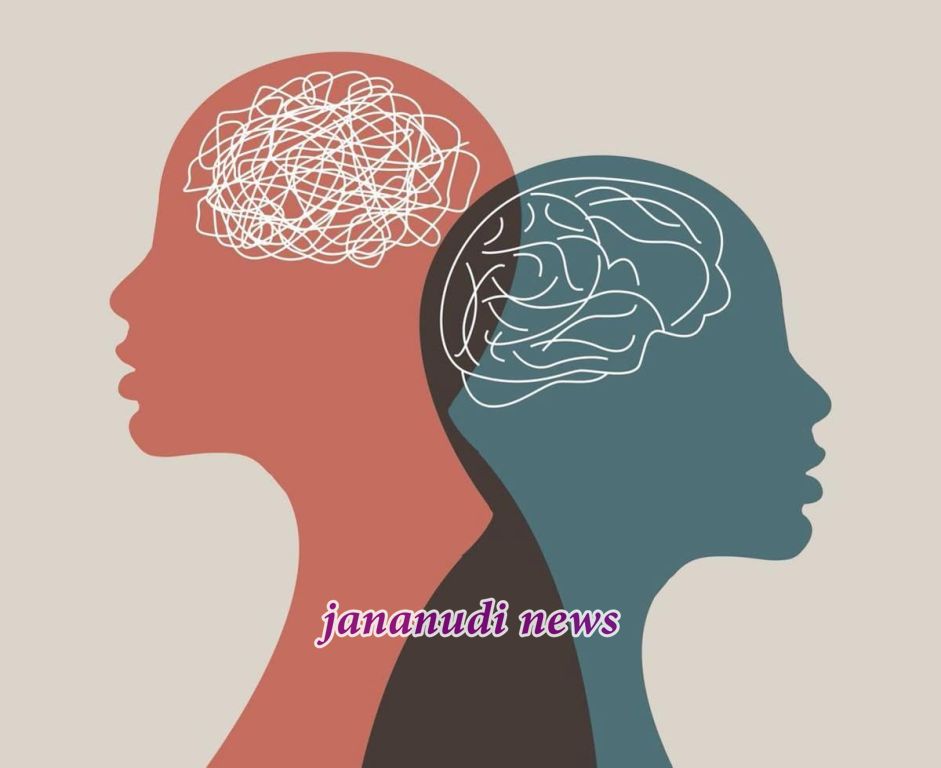
Psychology is the scientific study ofthe mind and human behavior. It explores how we think, feel, learn, and act in different situations. Although people have been curious about human behavior for thousands ofyears, psychology emerged as a scientific discipline in 1879, when Wilhelm Wundt, known as the Father ofPsychology, established the first psychology laboratory in Germany. This marked the beginning ofpsychology as a research-based science rather than a philosophical idea.
Why Psychology Matters in Daily Life ?
Psychology is notjust for professionals it is something we use every single day, often without realizing it.
- When we manage stress, solve problems, or understand our emotions, we are using psychological principles.
- When parents understand how children learn and grow, they are using developmental
psychology. - When teachers motivate students or when workplaces try to improve teamwork, psychology plays a major role.
Good mental health is essential for a good life. Just like we care for our bodies, we also need to take care ofour minds. When we understand our thoughts and feelings better, we can make healthier choices, build stronger relationships, and handle life’s challenges with confidence. Psychology helps normalize seeking help, talking about emotions, and breaking the old belief that “mental health doesn’t matter.” In truth, mental wellbeing affects everything—our happiness, our work, our sleep, and even our physical health.
Common Misconceptions About Psychology
Many people still misunderstand what psychology really is. Here are some simple clarifications: “Psychology is only for people with mental illness.”
Not true. Psychology is for everyone. It helps with stress, relationships, decision-making, personality development, and daily challenges.
“Psychologists can read minds. !?”

This is a common beliefbut completely false. Psychologists study behavior scientifically; they don’t guess your thoughts magically.
“Talking about mental health means you’re weak.”
In reality, opening up about emotions is a sign of strength. Mental health isjust as important as physical health.
“Therapy is only for serious problems.”
Therapy can help with small things too—like improving confidence, reducing anxiety, or learning healthy habits.
By understanding these misconceptions, people ofall ages can appreciate the true purpose of psychology.
Career Opportunities in Psychology
Psychology offers a wide range ofrewarding careers. Some majorpaths include:
Clinical Psychologist – helps people with emotional and mental health concerns through assessment and therapy.
Counseling Psychologist – guides individuals through life challenges, stress, relationships, or personal growth.
Child or School Psychologist – works with children, teachers, and parents to support learning and behavior.
Industrial/Organizational Psychologist – improves employee wellbeing, leadership, and productivity in companies.
Forensic Psychologist – works with legal systems, courts, and correctional settings. Sports Psychologist – helps athletes with motivation, focus, and performance.
Researcher or Academic – studies human behavior and teaches in colleges or universities.
Special Educator / Rehabilitation Roles – supports individuals with special needs in learning and development.
The field is continuously growing, offering opportunities in hospitals, schools, organizations, NGOs, rehabilitation centers, and private practice.