

Four-day training program on ii and Robotics at Saint Joseph’s University

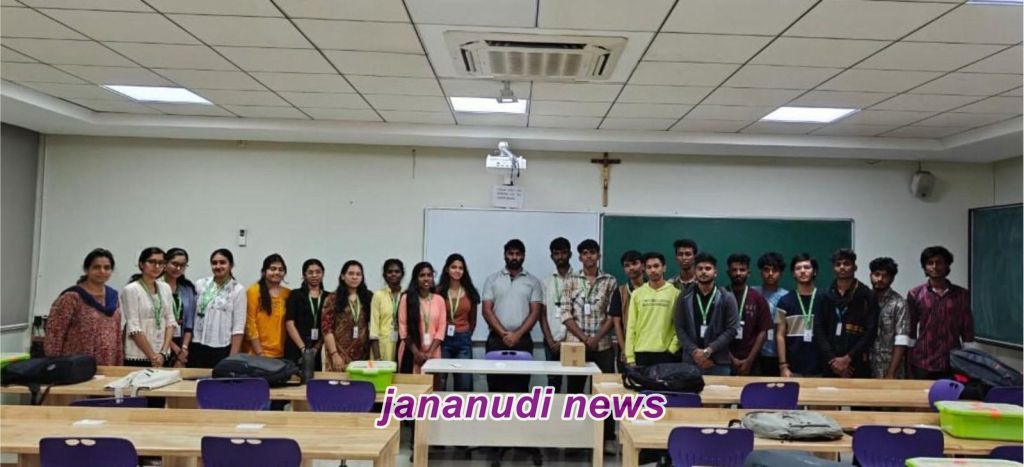
ಬೆಂಗಳೂರು, ನವೆಂಬರ್ 26, 2025: ಸೇಂಟ್ ಜೋಸೆಫ್ ವಿಶ್ವವಿದ್ಯಾಲಯದ ಮಾಹಿತಿ ತಂತ್ರಜ್ಞಾನ ಶಾಲೆಯ ಇನ್ನೋವೇಷನ್ ಕೌನ್ಸಿಲ್ ಅವರ ಆಶ್ರಯದಲ್ಲಿ, ಕಂಪ್ಯೂಟರ್ ಸೈನ್ಸ್ ಮತ್ತು ಡೇಟಾ ಅನಾಲಿಟಿಕ್ಸ್ ವಿಭಾಗಗಳ ಜಂಟಿ ಸಂಘಟನೆಯಲ್ಲಿ ನಾಲ್ಕು-ದಿನಗಳ ಐಐ ಮತ್ತು ರೋಬೋಟಿಕ್ಸ್ ತರಬೇತಿ ಕಾರ್ಯಕ್ರಮವನ್ನು ನವೆಂಬರ್ 20 ರಿಂದ 25 ರ ವರೆಗೆ ಮ್ಯಾಜಿಸ್ ಬ್ಲಾಕ್’ನ ಕಾನ್ಫರೆನ್ಸ್ ಸಭಾಂಗಣದಲ್ಲಿ ಯಶಸ್ವಿಯಾಗಿ ನಡೆಸಲಾಯಿತು.
ಕಾರ್ಯಕ್ರಮದ ಸಮನ್ವಯಕರಾಗಿದ್ದ ಡಾ. ಅನ್ನಿ ಸಿರಿಯನ್, ಶ್ರೀ ಪ್ರೇಮ್ ಮತ್ತು ಶ್ರೀ ಅರ್ರನ್ ಇವರು, ಡೀನ್ ಡಾ. ಬೋಜಮ್ಮಾ, ರೆ। ಫಾ। ಡೆನ್ಝಿಲ್ ಮತ್ತು ವಿಭಾಗದ ಮುಖ್ಯಸ್ಥ ಡಾ. ಪ್ರಶಾಂತಿ ಅವರ ಶೈಕ್ಷಣಿಕ ಮಾರ್ಗದರ್ಶನ ಮತ್ತು ಬೆಂಬಲದೊಂದಿಗೆ ಈ ಕಾರ್ಯಕ್ರಮವನ್ನು ಆಯೋಜಿಸಿದ್ದರು.
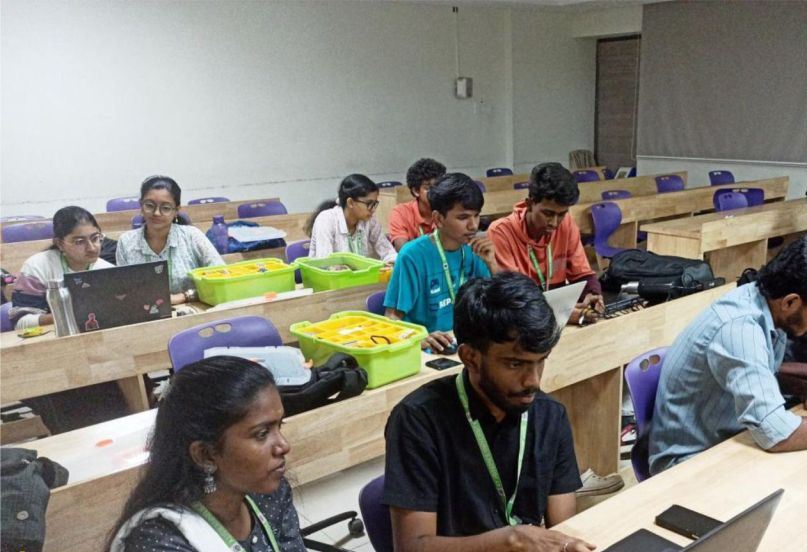
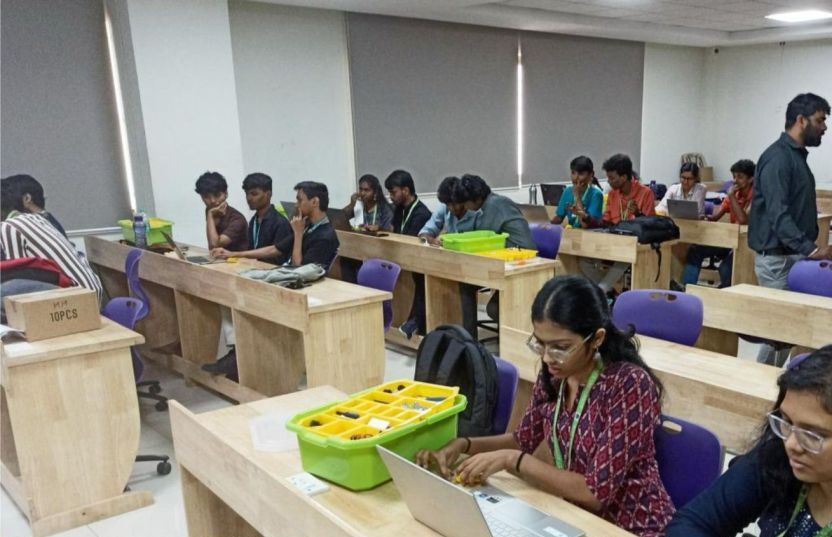
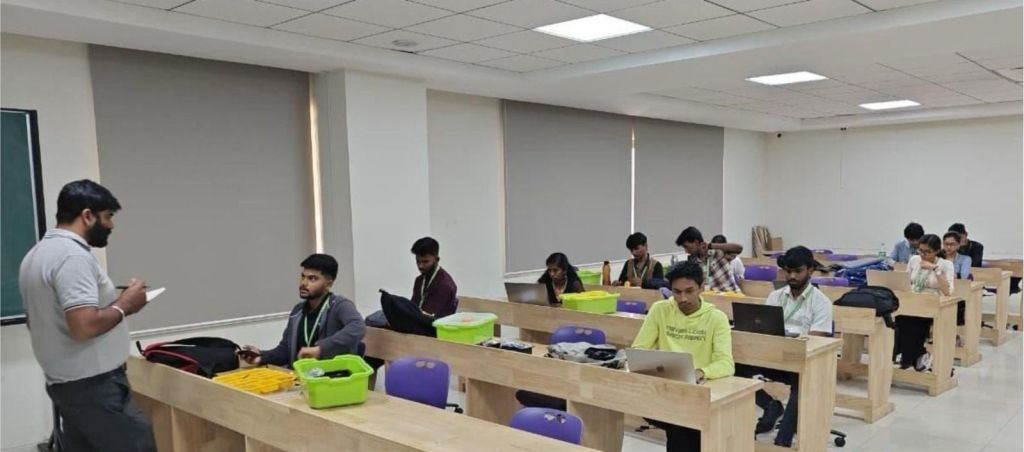
ತಿಂಕ್ಪ್ರೋ ಅಕಾಡೆಮಿಯ ಬೋಧಕರಾದ ಶ್ರೀ ತರುಣ್ ಶರ್ಮಾ ಅವರು ನಡೆಸಿದ ಉದ್ಘಾಟನಾ ಸಭೆಯೊಂದಿಗೆ ಕಾರ್ಯಕ್ರಮ ಆರಂಭವಾಯಿತು. ತರಬೇತಿಯ ಉದ್ದೇಶಗಳು, ರಚನೆ ಮತ್ತು ನಿರೀಕ್ಷಿತ ಫಲಿತಾಂಶಗಳನ್ನು ಅವರು ಮುಂದಿಟ್ಟರು. ಭಾಗವಹಿಸಿದ್ದ ವಿದ್ಯಾರ್ಥಿಗಳನ್ನು ಕೃತಕ ಬುದ್ಧಿಮತ್ತೆ ಮತ್ತು ರೋಬೋಟಿಕ್ಸ್’ನ ಮೂಲಭೂತ ಪರಿಕಲ್ಪನೆಗಳೊಂದಿಗೆ ಪರಿಚಯಿಸಲಾಯಿತು. ಈ ಅವಧಿಯಲ್ಲಿ ಮಾರ್ಗದರ್ಶನದೊಂದಿಗೆ ಪ್ರಾಯೋಗಿಕ ಕೋಡಿಂಗ್ ಸೆಶನ್’ಗಳು ಮತ್ತು ವಿದ್ಯಾರ್ಥಿಗಳು ಆರಂಭಿಕ ರೋಬೋಟಿಕ್ ಮಾದರಿಯನ್ನು ನಿರ್ಮಿಸಿ ಪ್ರೋಗ್ರಾಮ್ ಮಾಡುವ ಚಟುವಟಿಕೆ ನಡೆಯಿತು. ಇದರ ಮೂಲಕ ಸೈದ್ಧಾಂತಿಕ ಕಲಿಕೆಗೆ ಮತ್ತು ಪ್ರಾಯೋಗಿಕ ಅನುಷ್ಠಾನಕ್ಕೆ ಇರುವ ಸಂಬಂಧವನ್ನು ಅರಿಯಲು ವಿದ್ಯಾರ್ಥಿಗಳು ಸಾಧ್ಯವಾದವು.
ಎರಡನೇ ದಿನದ ಕಾರ್ಯಕ್ರಮವು ರೇಂಜ್ ಸೆನ್ಸರ್ ಸಜ್ಜಿತವಾದ ರೋಬೋಟಿಕ್ ಕಾರಿನ ವಿನ್ಯಾಸ ಮತ್ತು ನಿರ್ಮಾಣದ ಬಗ್ಗೆ ನಡೆಯಿತು. ರೇಂಜ್ ಸೆನ್ಸರ್ಗಳ ಕಾರ್ಯವಿಧಾನ ಮತ್ತು ನಿಜ-ಜಗತ್ತಿನ ಅನ್ವಯಗಳ ಕುರಿತು ವಿವರವಾದ ಬೋಧನೆ ನಡೆಯಿತು. ರೋಬೋಟಿಕ್ ಮಾದರಿಯನ್ನು ಜೋಡಿಸಿ, ಪರಿಸರದ ಉತ್ತೇಜನೆಗಳಿಗೆ ಪ್ರತಿಕ್ರಿಯಿಸುವಂತೆ ಅದನ್ನು ಪ್ರೋಗ್ರಾಮ್ ಮಾಡುವ ಪ್ರಾಯೋಗಿಕ ಭಾಗವನ್ನು ವಿದ್ಯಾರ್ಥಿಗಳು ಮಾಡಿದರು. ಈ ವ್ಯಾಯಾಮದ ಮೂಲಕ ಸೆನ್ಸರ್ ಏಕೀಕರಣ ಮತ್ತು ರೋಬೋಟಿಕ್ ನಿಯಂತ್ರಣ ವ್ಯವಸ್ಥೆಗಳ ಬಗ್ಗೆ ಅವರ ತಿಳುವಳಿಕೆ ಬಲವಾದಿತು.
ಮೂರನೇ ದಿನ ಸ್ವತಂತ್ರ ಮತ್ತು ಸಹಯೋಗಿ ಸಮಸ್ಯೆ-ಪರಿಹಾರ ಕೌಶಲ್ಯಗಳ ಮೇಲೆ ಗಮನ ಕೇಂದ್ರೀಕರಿಸಿತು. ವಿದ್ಯಾರ್ಥಿಗಳಿಗೆ ಗುಂಪು ಪ್ರಾಜೆಕ್ಟ್ಗಳನ್ನು ನೀಡಲಾಗಿತ್ತು, ಅದರಲ್ಲಿ ಅಡಚಣೆ ಪತ್ತೆಹಚ್ಚಲು ಅಲ್ಟ್ರಾಸೋನಿಕ್ ಸೆನ್ಸರ್ಗಳನ್ನು ಒಳಗೊಂಡ ರೋಬೋಟಿಕ್ ಮಾದರಿಗಳನ್ನು ವಿನ್ಯಾಸಗೊಳಿಸುವುದು, ಜೋಡಿಸುವುದು ಮತ್ತು ಪ್ರೋಗ್ರಾಮ್ ಮಾಡುವುದು ಸೇರಿತ್ತು. ಈ ಚಟುವಟಿಕೆಯು ಹಿಂದಿನ ಅವಧಿಗಳಲ್ಲಿ ಕಲಿತ ಪರಿಕಲ್ಪನೆಗಳನ್ನು ಅನ್ವಯಿಸಲು ಮಾತ್ರವಲ್ಲದೆ, ಸೃಜನಶೀಲತೆ, ವಿಶ್ಲೇಷಣಾತ್ಮಕ ಸಾಮರ್ಥ್ಯ ಮತ್ತು ಸ್ವಾಯತ್ತ ನಿರ್ಧಾರ ತೀಸುಕೊಳ್ಳುವ ಸಾಮರ್ಥ್ಯವನ್ನು ಪ್ರದರ್ಶಿಸಲು ವಿದ್ಯಾರ್ಥಿಗಳಿಗೆ ಅವಕಾಶ ನೀಡಿತು. ಬೋಧಕರು ಅಗತ್ಯವಿರುವ ತಾಂತ್ರಿಕ ಮಾರ್ಗದರ್ಶನವನ್ನು ನೀಡಿದರು.
ಕೊನೆಯ ದಿನವನ್ನು ಭಾಗವಹಿಸಿದ್ದ ವಿದ್ಯಾರ್ಥಿಗಳು ಪಡೆದಿದ್ದ ಸಾಮರ್ಥ್ಯಗಳ ಮೌಲ್ಯಮಾಪನಕ್ಕೆ ಮೀಸಲಾಗಿತ್ತು. ಪ್ರತಿಯೊಬ್ಬ ವಿದ್ಯಾರ್ಥಿಯನ್ನು ಕೋಡಿಂಗ್ ಪ್ರಾವೀಣ್ಯ, ಸೆನ್ಸರ್ ಏಕೀಕರಣ ಮತ್ತು ರೋಬೋಟಿಕ್ಸ್ ಸಮಸ್ಯೆ-ಪರಿಹಾರ ಕುರಿತು ಪ್ರಾಯೋಗಿಕ ಕಾರ್ಯಗಳು ಮತ್ತು ಸೈದ್ಧಾಂತಿಕ ಪ್ರಶ್ನೆಗಳ ಮಿಶ್ರಣದ ಮೂಲಕ ಪ್ರತ್ಯೇಕವಾಗಿ ಮೌಲ್ಯಮಾಪನ ಮಾಡಲಾಯಿತು. ಎಲ್ಲಾ ವಿದ್ಯಾರ್ಥಿಗಳಿಗೆ ರಚನಾತ್ಮಕ ಪ್ರತಿಕ್ರಿಯೆ ನೀಡಿ, ಅವರು ಪ್ರದರ್ಶಿಸಿದ ಪಾಂಡಿತ್ಯ ಮತ್ತು ಮುಂದಿನ ಅಭಿವೃದ್ಧಿ ಅಗತ್ಯವಿರುವ ಕ್ಷೇತ್ರಗಳನ್ನು ಎತ್ತಿ ತೋರಿಸಲಾಯಿತು. ತಿಂಕ್ಪ್ರೋ ಅಕಾಡೆಮಿಯ ಬೋಧಕರಾದ ಶ್ರೀ ವರುಣ್ ಶರ್ಮಾ ಅವರಿಗೆ ಕೃತಜ್ಞತೆ ಸೂಚಿಸಿ ವಂದನೆ ಸಮರ್ಪಿಸಿ ಕಾರ್ಯಕ್ರಮ ಮುಕ್ತಾಯವಾಯಿತು.
ಐಐ ಮತ್ತು ರೋಬೋಟಿಕ್ಸ್ ತರಬೇತಿ ಕಾರ್ಯಕ್ರಮವು ರೋಬೋಟಿಕ್ಸ್ ಮತ್ತು ಬುದ್ಧಿವಂತ ವ್ಯವಸ್ಥೆಗಳ ಕುರಿತು ಸಮಗ್ರ ಆರಂಭಿಕ ಅನುಭವವನ್ನು ಭಾಗವಹಿಸುವವರಿಗೆ ಒದಗಿಸುವುದರಲ್ಲಿ ತನ್ನ ಉದ್ದೇಶವನ್ನು ಸಾಧಿಸಿದೆ. ಸೈದ್ಧಾಂತಿಕ ಬೋಧನೆ ಮತ್ತು ಪ್ರಾಯೋಗಿಕ ಅನ್ವಯದ ರಚನಾತ್ಮಕ ಮಿಶ್ರಣದ ಮೂಲಕ, ಈ ಕಾರ್ಯಕ್ರಮವು ವಿದ್ಯಾರ್ಥಿಗಳ ತೊಡಗಿಸಿಕೊಳ್ಳುವಿಕೆಯನ್ನು ಹೆಚ್ಚಿಸಿತು, ತಾಂತ್ರಿಕ ಜಿಜ್ಞಾಸೆಯನ್ನು ಉತ್ತೇಜಿಸಿತು ಮತ್ತು ಉದಯೋನ್ಮುಖ ತಂತ್ರಜ್ಞಾನದ ಕ್ಷೇತ್ರದಲ್ಲಿ ಅತ್ಯಗತ್ಯ ಮೂಲಭೂತ ಕೌಶಲ್ಯಗಳನ್ನು ಅಭಿವೃದ್ಧಿಪಡಿಸಿತು. ಸಂಘಟಕ ವಿಭಾಗಗಳು, ಸಮನ್ವಯಕರು ಮತ್ತು ಭಾಗವಹಿಸಿದ ವಿದ್ಯಾರ್ಥಿಗಳ ಪ್ರಯತ್ನಗಳನ್ನು ತಿಂಕ್ಪ್ರೋ ಅಕಾಡೆಮಿ ಗುರುತಿಸಿದೆ.
Four-day training program on ii and Robotics at Saint Joseph’s University
St. Joseph’s University, under the auspices of the Innovation Council of the School of IT, conducted a four-day AI & Robotics Training Program, jointly organized by the Department of Computer Science and the Department of Data Analytics. The program was coordinated by Dr. Annie Syrien, Mr. Prem, Mr. Arran with academic supervision and support from Dean Dr. Bojamma, Director Rev. Fr. Denzil, and Head of the Department Dr. Prashanthi.
The program opened with an orientation session led by the instructor from ThinkPro Academy, Mr. Tarun Sharma, who presented the objectives, structure, and expected outcomes of the training. Participants were introduced to the fundamental concepts of Artificial Intelligence and Robotics. The session included guided hands-on coding exercises and a practical activity in which students built and programmed an introductory robotic model, enabling them to connect theoretical learning with practical implementation.
On the second day, the focus shifted to the design and construction of a robotic car equipped with a range sensor. Participants received detailed instruction on the functioning and real-world applications of range sensors. The practical component involved assembling the robotic model and programming it to respond to environmental stimuli. This exercise strengthened their understanding of sensor integration and robotic control mechanisms.
The third day emphasized independent and collaborative problem-solving. Participants were assigned group projects requiring the design, assembly, and programming of robotic models incorporating ultrasonic sensors for obstacle detection. This activity provided an opportunity for students to apply concepts learned during the earlier sessions while demonstrating creativity, analytical ability, and autonomous decision-making. The instructor provided technical guidance as needed.
The final day was dedicated to evaluating the competencies acquired by the participants. Each student was assessed individually through a combination of practical tasks and theoretical questions, focusing on coding proficiency, sensor integration, and robotics problem-solving. Constructive feedback was provided to all participants, highlighting demonstrated strengths and areas for further development. Concluding with a vote of thanks to the instructor of ThinkPro, Mr. Varun Sharma.
The AI & Robotics Training Program achieved its objective of providing participants with a comprehensive introductory experience in robotics and intelligent systems. Through a structured combination of theoretical instruction and hands-on application, the program enhanced student engagement, fostered technical curiosity, and developed essential foundational skills in the field of emerging technologies. The ThinkPro acknowledges the efforts of the organizing departments, coordinators, and students whose participation contributed to the success of this initiative.